



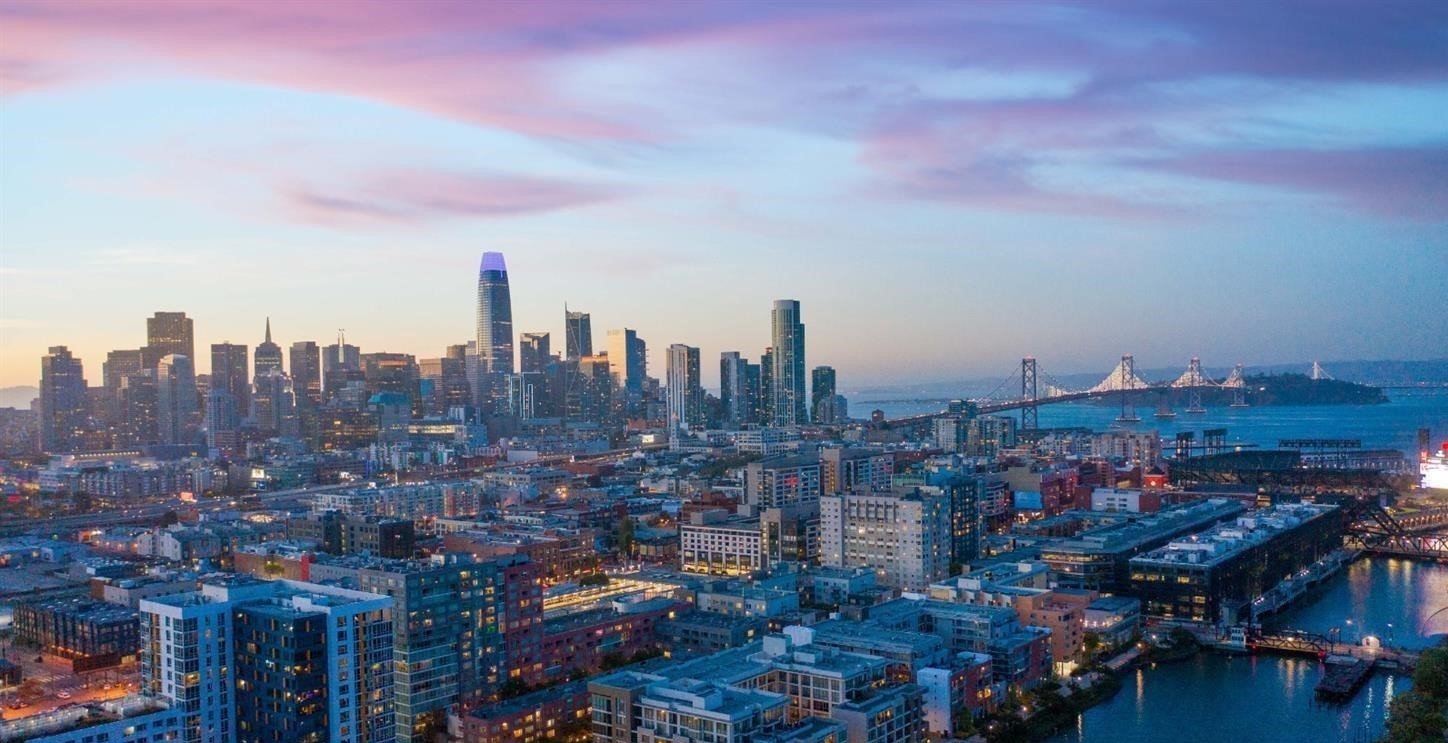
San Francisco has always been a city of innovation, ambition, and economic transformation. From the Gold Rush to the dot-com era and the rise of Silicon Valley, each wave of growth has reshaped the city’s economy and real estate market. Today, artificial intelligence is fueling the next major transformation—and its impact is becoming increasingly visible in San Francisco’s rental market.
As leading AI companies expand their presence in the city, venture capital continues flowing into startups, and highly compensated professionals relocate to be closer to the industry, demand for housing is accelerating. Apartments that once took weeks to lease are attracting multiple applicants, luxury condominiums are commanding higher rents, and large homes are being transformed into collaborative living spaces for startup founders and their teams.
For renters, this environment means greater competition and fewer affordable options. For property owners and real estate investors, it presents new opportunities to capitalize on rising demand. And for San Francisco itself, it raises important questions about housing availability, affordability, and the city’s long-term growth.
So, what exactly is driving the surge in rental prices, and what does it mean for San Francisco’s real estate market?
- The AI Boom Is Bringing New Wealth to San Francisco
For years, San Francisco’s rental market experienced a period of uncertainty following the pandemic. Remote work, population shifts, and reduced demand for downtown housing put pressure on rents, leaving many landlords competing for tenants.
The rapid expansion of artificial intelligence companies has helped bring new investment, employment opportunities, and high-income professionals back into the city. Established AI businesses and emerging startups are expanding their office footprints, attracting talent from across the country and internationally.
Unlike some previous technology cycles, this wave of growth is bringing substantial financial resources into a relatively concentrated geographic area.
AI engineers, startup founders, venture capitalists, and other technology professionals often have the financial capacity to compete for premium housing. Some prioritize convenience over cost, seeking residences close to their offices, restaurants, fitness centers, and other lifestyle amenities.
This creates a ripple effect throughout the rental market. As higher-income renters compete for desirable properties, landlords can receive multiple applications and, in some cases, achieve rents above their initial asking prices.
Recent reporting has documented substantial year-over-year increases in San Francisco asking rents, with the AI sector identified as an important contributor to the renewed demand.
However, the AI boom is not the only factor at play. San Francisco’s limited housing supply, changing office occupancy, and the time required to build new homes also contribute to the pressure on rental prices.
The result is a market where demand can increase much faster than available housing.
- The Rise of the “AI Monastery” and Modern Hacker Houses
One of the most interesting developments in San Francisco’s rental market is the evolution of the traditional hacker house.
Historically, hacker houses offered a practical solution for entrepreneurs and programmers who wanted to share living expenses, exchange ideas, and build startups together. These arrangements became part of San Francisco’s technology culture, particularly during the early startup boom.
Today, the concept is evolving.
Some startup founders are leasing entire homes for themselves, their co-founders, or small teams, creating highly organized environments designed to support intensive work. These arrangements have been described as “AI monasteries,” reflecting an emphasis on focus, collaboration, and minimizing everyday distractions.
Depending on the arrangement, residents may share meals, exercise facilities, household services, and dedicated workspaces. Rather than simply splitting rent to save money, some groups are willing to pay a premium for a property that supports their professional goals.
This shift has important implications for the housing market.
A large house that might traditionally have appealed to a family or an individual renter may now attract a well-funded startup willing to sign a substantial lease. In some cases, companies also lease entire homes to accommodate employees relocating to San Francisco.
For landlords, these arrangements can offer attractive rental income and access to financially qualified tenants. For traditional renters, however, they introduce another category of competition for an already limited pool of desirable properties.
The trend also demonstrates how the needs of San Francisco’s technology workforce are influencing not only how much people pay for housing, but how they choose to live.
- Why Mission Bay, South Beach, and SoMa Are in the Spotlight
Location has always been a major factor in San Francisco real estate. In the current market, proximity to the city’s expanding AI industry is becoming especially important.
Neighborhoods such as Mission Bay, South Beach, and SoMa offer convenient access to major employment centers, making them attractive to professionals who want to minimize commuting time.
Mission Bay
Mission Bay has become one of San Francisco’s most recognizable modern residential neighborhoods. Its newer condominium buildings, contemporary apartments, waterfront setting, and proximity to major employers make it particularly appealing to technology professionals.
Residents can enjoy access to parks, restaurants, public transportation, UCSF Medical Center, and Chase Center, while remaining close to the city’s growing technology hub.
For renters seeking modern finishes, amenities, and convenience, Mission Bay offers a compelling combination of lifestyle and location.
South Beach
South Beach continues to attract renters who value luxury condominium living, waterfront access, and proximity to downtown San Francisco.
Buildings such as LUMINA, along with other full-service residential developments, offer features that appeal to busy professionals, including fitness centers, concierge services, secure parking, and thoughtfully designed common areas.
For relocating executives and technology employees, these amenities can be particularly valuable. A professionally managed building with on-site services can simplify the transition to a new city and support a demanding work schedule.
SoMa
SoMa offers a different mix of housing, combining modern apartment buildings, converted industrial spaces, and convenient access to downtown offices.
Its location and varied housing options make it attractive to startup employees and entrepreneurs who want to live close to work while remaining connected to San Francisco’s restaurant, arts, and nightlife scenes.
Across these neighborhoods, the common denominator is convenience. As more companies establish a presence in San Francisco, renters may be willing to pay a premium to live near their workplaces and the communities forming around them.
- Luxury Rentals Are Experiencing a Shift in Demand
The AI boom is also changing expectations within San Francisco’s luxury rental market.
For some high-income professionals, renting offers flexibility without requiring a substantial commitment to purchasing property. This can be particularly attractive to employees relocating from other cities, founders whose businesses are growing rapidly, and professionals who are uncertain how long they will remain in San Francisco.
Instead of purchasing a condominium immediately, these renters may choose a fully furnished residence or a luxury apartment with premium amenities.
Convenience is often a major priority. Properties featuring high-end appliances, spacious layouts, private outdoor spaces, parking, concierge services, and impressive city or Bay views can stand out among competing listings.
In the upper end of the market, demand can extend beyond individual apartments to expansive residences suitable for company housing or shared founder accommodations.
This creates opportunities for owners of distinctive properties, particularly those offering flexible layouts, desirable locations, and features that support both living and working.
Nevertheless, not every luxury property will benefit equally. Rental performance still depends on pricing, condition, presentation, location, and the specific needs of prospective tenants.
Understanding which features renters value most is essential to positioning a property competitively.
- What Rising Rental Prices Mean for Property Owners
For San Francisco property owners, the current environment may present an opportunity to reassess rental strategy.
Owners who purchased during periods of softer demand may find that today’s rental market offers improved income potential. In particular, well-maintained condominiums in desirable full-service buildings may appeal to professionals seeking a combination of convenience, security, and lifestyle amenities.
However, achieving the strongest possible rental outcome requires more than simply increasing the asking price.
Strategic pricing remains essential. Setting rent too high can discourage qualified applicants and extend vacancy, potentially offsetting the benefit of a higher monthly rate.
Local expertise can make a difference. Rental performance varies by building and neighborhood. Recent comparable leases, available inventory, and the preferences of active tenants provide a more reliable foundation for pricing than broad market headlines alone.
Finally, San Francisco’s rental regulations require careful consideration. Rent control, eviction protections, and other requirements depend on the property and circumstances. Owners should confirm which rules apply before making decisions about rent increases, tenant turnover, or leasing arrangements.
- What Renters Should Know Before Entering the Market
For renters, preparation is increasingly important.
If you are relocating to San Francisco for a position in the AI industry or searching for a new home within the city, start by identifying your priorities and establishing a realistic budget.
Consider whether living near your office is worth paying a premium. Explore nearby neighborhoods that may offer better value while still providing convenient transportation and access to essential amenities.
Prepare your application materials in advance. Having proof of income, references, identification, and other requested documentation ready can help you respond quickly when an appropriate property becomes available.
It is also worth looking beyond the newest luxury buildings. Older apartments, different floor plans, and less-publicized listings may offer alternatives that better fit your budget.
Although the current market can feel competitive, a focused search and a clear understanding of your priorities can help you make a more informed decision.
- Is San Francisco’s Rental Boom Here to Stay?
The long-term trajectory of San Francisco’s rental market will depend on several factors.
Continued AI investment and company expansion could sustain demand, particularly in neighborhoods close to major employment centers. If the industry continues attracting highly compensated workers, competition for premium housing may remain elevated.
At the same time, technology is a cyclical industry. Startup funding, hiring decisions, company performance, and broader economic conditions can all change. A slowdown in investment or employment growth could moderate rental demand.
Housing supply will also matter. New construction, changes in household formation, and broader population trends will influence how quickly the market adjusts.
For this reason, it is important to avoid assuming that every property will experience the same rental growth or that current conditions will continue indefinitely.
What is clear is that artificial intelligence has become an important part of San Francisco’s economic story, with visible consequences for its residential real estate market.
Navigating San Francisco’s Changing Rental Market
San Francisco’s AI boom is creating a new chapter in the city’s real estate evolution. From the emergence of AI-focused shared houses to increased competition for luxury condominiums, the industry is influencing where people live, what they expect from their homes, and how much they are willing to pay.
For property owners, this environment may create opportunities to improve rental performance and connect with a new generation of tenants. For renters, it reinforces the importance of preparation, flexibility, and a clear understanding of the market.
At MD Real Estate, we believe that navigating these changes starts with local knowledge, thoughtful strategy, and an understanding of each client’s goals.
Whether you are considering leasing your San Francisco condominium, exploring investment opportunities, or searching for a home that fits your lifestyle, our team can help you evaluate your options and make informed decisions.
Thinking about renting out your San Francisco property? Contact MD Real Estate to discuss current market conditions, rental pricing, and a leasing strategy tailored to your home.